


Within the dynamic field of music production, recording studios are revered spaces where the magic of sound is created. The story of recording studio innovation from the analogue to the digital eras is one of pushing the limits of sound capture and manipulation. This investigation follows the road from analogue to digital recording studios, revealing the innovations in technology, artistic movements, and sound styles that characterize each age.
Section 1: The Comparative Epoch 1. Recording Studios’ Origins:
The phonograph’s development in the late 19th century marked the beginning of recording studios. Large acoustic horns and shellac discs were common features of early studios, which had primitive sound recording equipment. On the other hand, they established the idea of a regulated setting for audio recording.
Record vinyl and shellac:
Vinyl records and shellac gained popularity during the analogue period and eventually took over as the main means of music distribution. An era’s musical identity has come to be associated with the warmth and charm of analogue recordings.
The Tape Revolution:
Recording technology underwent a radical change when magnetic tape recording was introduced in the middle of the 20th century. Multi-track recording and editing were made possible by reel-to-reel tape devices, which gave engineers and producers more freedom to play around with different sound layers.
Several Track Recordings:
New creative possibilities were made possible by the ability to record numerous tracks separately on a single cassette. The ability of musicians to layer effects, instruments, and vocals independently gave rise to the idea of the recording studio as a contemporary creative tool.
Comparative Character and Warmth:
Because of their warm tones and natural flaws, analogue recordings began to be valued for their genuineness. The distinctive roughness of the sound produced by the analogue tape medium adds to the appeal of vintage recordings.
Chapter 2: Analogue Studios’ Golden Era
Classic Consoles and Studios:
Notable recording facilities with storied analogue consoles began to appear in the 1960s and 1970s. Studios such as Sunset Sound, Electric Lady, and Abbey Road came to represent the pinnacle of analogue recording.
Consoles for Neve, SSL, and API:
These studios’ command centres were analogue consoles made by companies including SSL, API, and Neve. Each console’s sound characteristic gave the recordings made inside its walls a unique hue.

Traditional Mic and Equipment Choice:
The carefully chosen assortment of vintage microphones, outboard equipment, and analogue processors that characterised analogue studios. Each studio’s sound character was influenced by the careful selection of equipment.
Analog tape not only facilitated multi-track recording but also introduced innovative production techniques. Tape editing, splicing, and manual manipulation of recordings became essential skills for engineers and producers.
The Art of Tape Splicing:
Engineers would physically cut and splice sections of tape to create seamless edits. This hands-on approach to editing added a tactile and artistic dimension to the production process.
Creative Use of Tape Effects:
Analog studios embraced tape-based effects such as flanging, phasing, and tape delay. These effects, created by manipulating the physical properties of tape, became integral to the sonic palette of the time.
Editing and Production Methods on Analogue Tape: Analogue tape introduced inventive production methods in addition to making multi-track recording possible. For engineers and producers, manual recording manipulation, tape editing, and splicing were important abilities.
The Technique of Cutting Tape:
To achieve smooth edits, engineers would physically cut and splice segments of tape. The production process gained a physical and creative component from this hands-on approach to editing.
Innovative Tape Effects Use:
Tape-based effects like tape delay, phasing, and flanging were widely used in analogue studios. These effects, which were produced by adjusting the physical characteristics of tape, were essential to the era’s sound palette.
Chapter 3: The Revolution in Digital
The emergence of digital recording
The digital revolution of the late 20th century completely changed the recording industry. A revolution in recording and distribution occurred with the advent of compact disc (CD) technology and digital audio workstations (DAWs).
Workstations for digital audio (DAWs):
Digital audio workstations (DAWs) like Pro Tools transformed the recording process by enabling digital audio manipulation and non-linear editing. Virtual tracks on a computer screen replaced actual tape, streamlining production and creating new creative opportunities.
Technology of Compact Discs (CDs):
With the introduction of CDs, analogue media like vinyl and cassette cassettes were superseded. CDs offered perfect sound quality and the ease of portability and durability in a digital format.
Chapter 4: The Modern Blended Studio
The Ascent of Mixed Reality Films:
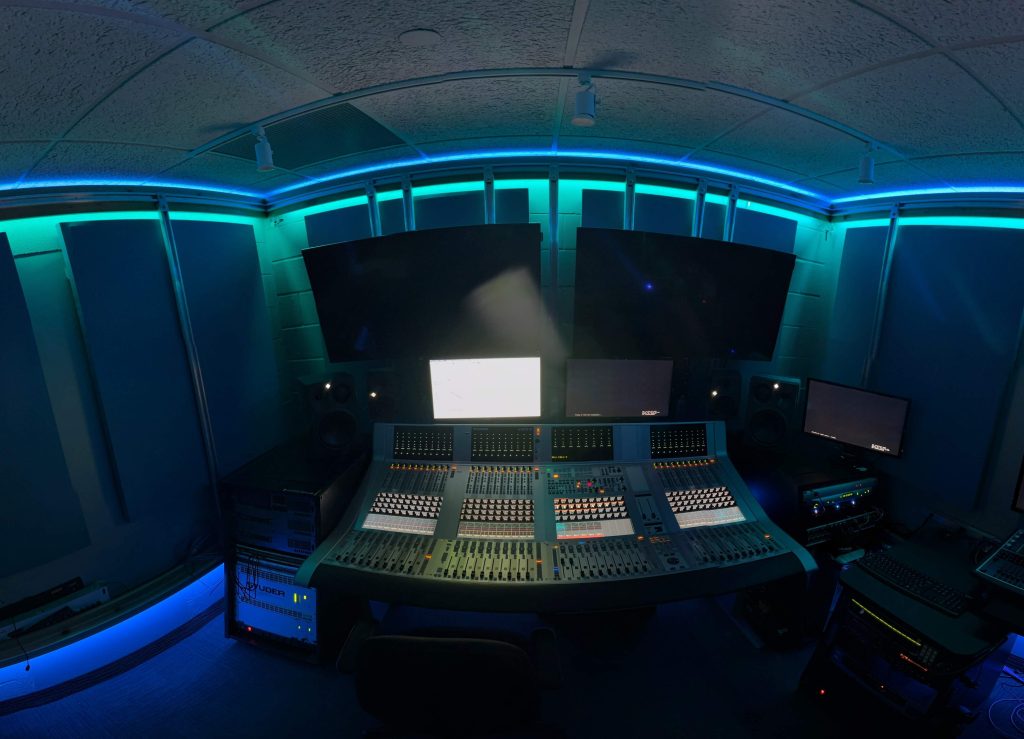
The best aspects of digital and analogue technologies were combined to create hybrid studios, which emerged in the 21st century. To take advantage of the sound benefits of both worlds, several studios adopted a hybrid strategy that combined analogue equipment with digital workflows.
Summing and Processing Analogously:
Some studios still use analogue summing and processing because of its warmer sound, even though digital recording offers unmatched convenience. To add a little analogue magic at the mixing stage, analogue mixing consoles and outboard gear are frequently used.
Antiquated Devices in an Electronic Setting:
Analogue studio equipment that was once limited to analogue settings has been incorporated into digital setups. Analogue compressors, preamps, and equalisers were first used by engineers and producers in addition to digital plugins.
Toronto’s MDC Music Studios: Overcoming the Analog-Digital Divide
MDC Music Studios, located in the centre of Toronto’s thriving music industry, is a prime example of how well analogue and digital technologies can coexist. MDC Music Studios provides musicians with a distinctive setting where the finest of both worlds collide, embracing the rich tradition of recording while remaining on the cutting edge of technical innovations.
Vintage Feelings with Modern Accuracy:
MDC Music Studios uses digital workflows to achieve precision while preserving the analogue warmth that musicians treasure. The studio’s hybrid method, which combines the efficiency of digital recording with the uniqueness of analogue equipment, reflects its dedication to sonic perfection and benefits artists.
TORONTO’S AUDIO GEM:
MDC Music Studios is one of the city’s audio gems, adding to its rich musical history while also having an impact on the larger story of recording studio development. Because of the studio’s dedication to balancing the analogue and digital realms, musicians who respect the history and creativity of music production will continue to find it to be a popular choice.
To sum up, MDC Music Studios Toronto represents the history, present, and future of audio excellence and shines as a light of creative harmony. The studio’s commitment to maintaining analogue customs while welcoming the opportunities presented by the digital era is helping to shape the history of recording studio development in Toronto’s vibrant music scene.